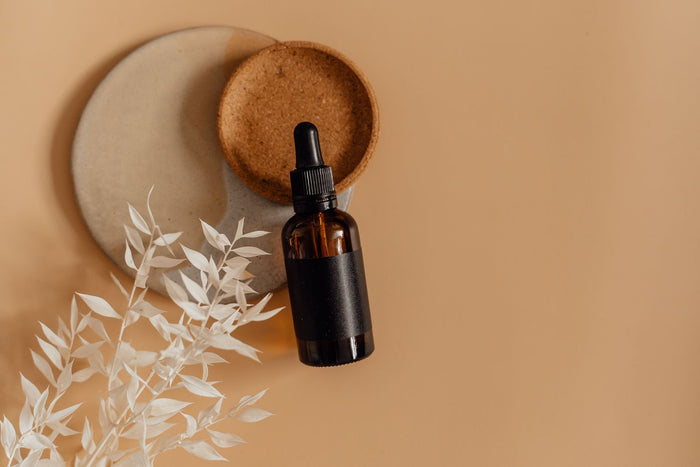

When the monsoon arrives, the air turns heavy and sticky — and for oily or acne-prone skin, that humidity can mean more shine, more sweat, and more breakouts than usual. The instinct is often to scrub harder and dry the skin out, but that usually backfires. A few smart, seasonal adjustments keep skin balanced through the humid months without stripping it. Here is a simple monsoon routine built for oily and acne-prone skin in Pakistan's climate.
Quick Answer
During monsoon, switch to lightweight, gel-based textures, cleanse gently twice a day, and keep skin balanced instead of stripping it dry. Do not skip moisturiser or sunscreen — humid does not mean hydrated, and cloudy days still carry UV. Controlling oil without over-drying is what keeps breakouts down when the air is warm and sticky.

Why humidity worsens oily and acne-prone skin
Warm, humid air pushes the skin to produce more oil, and that extra sebum mixes with sweat, dust and pollution throughout the day. When that combination settles into pores, it can lead to clogging and breakouts. It is not that your skin suddenly got "worse" in the rainy season — the climate simply changed the conditions, so your routine should adapt to match.
Switch to lighter textures
Rich creams that feel lovely in dry winter air can sit heavy and greasy in monsoon humidity. In this season, reach for fast-absorbing, water-light layers: a gel or watery serum, a light lotion, and a sunscreen that does not feel sticky. Lighter textures are more comfortable in the heat, which also makes them easier to stick with every day — and consistency is what actually keeps skin clear.
The simple monsoon routine
- Cleanse gently, twice a day. Wash off overnight oil in the morning and the day's sweat and grime at night. Choose a gentle cleanser that does not leave skin squeaky and tight.
- Treat. If you are prone to breakouts, a lightweight clarifying step like the Flux Acne Free Clarifying Serum helps keep oil and blemishes in check without harsh drying.
- Hydrate light. Use a water-based gel or light moisturiser. Yes — oily skin still needs this step, even in humidity.
- Protect. Finish every morning with a sebum-control SPF 50 that stays comfortable in the heat.
Don't strip your skin — it backfires
It is tempting to fight monsoon oil with the harshest face wash you can find, but over-cleansing removes too much of the skin's natural moisture. The skin reads that as a shortage and produces even more oil to compensate — leaving you shinier, not clearer. Gentle, consistent care breaks that cycle far better than aggressive drying. We explain the full logic in our guide on why oily skin still needs hydration.
Yes, you still need sunscreen in monsoon
Grey, rainy skies feel like a break from the sun, but UV rays pass through clouds, so daily protection still matters in the wet season. A lightweight, sebum-control sunscreen suits humid weather well because it protects without adding to midday shine. If you are rebuilding this habit, our guide on why SPF 50 matters for Pakistani skin is a good place to start.
Common monsoon skincare mistakes
A few slips make breakouts worse in humid weather: over-washing and scrubbing, skipping moisturiser because skin already feels oily, touching or resting the face on sweaty hands, layering heavy creams that trap sweat, and dropping sunscreen on cloudy days. Keeping the routine light, gentle and consistent handles the season far better than reacting to every shiny afternoon. When the humidity finally drops, your routine should shift again — see switching your skincare from summer to winter.
Frequently Asked Questions
Should I moisturise oily skin during monsoon?
Yes. Skipping moisturiser can push oily skin to produce even more oil. Choose a light, water-based gel and your skin will feel more balanced, not heavier.
Do I need sunscreen when it's cloudy and raining?
Yes. UV rays pass through clouds, so daily sunscreen still protects your skin during the monsoon — a light, sebum-control formula works well in humidity.
How often should I wash my face in humid weather?
Twice a day is usually enough — morning and night. Washing more often can strip the skin and trigger more oil, so reach for a blotting tissue instead of an extra wash when you feel shiny.
Why do I break out more in the rainy season?
Humidity increases oil and sweat, which can mix with dust and clog pores. A lightweight routine with gentle cleansing and a clarifying step helps keep breakouts in check.
Explore BiBiJoon
Products mentioned in this guide: Flux Acne Free Clarifying Serum · Solv Care SPF 50. Browse the serums collection to build a lightweight routine for humid weather.
Related reading: Why Oily Skin Still Needs Hydration · The Simple AM Skincare Routine for Pakistani Weather · Switching Your Skincare from Summer to Winter
Last updated: July 2026. This article is general skincare education, not medical advice. For severe or persistent acne, consult a qualified dermatologist.